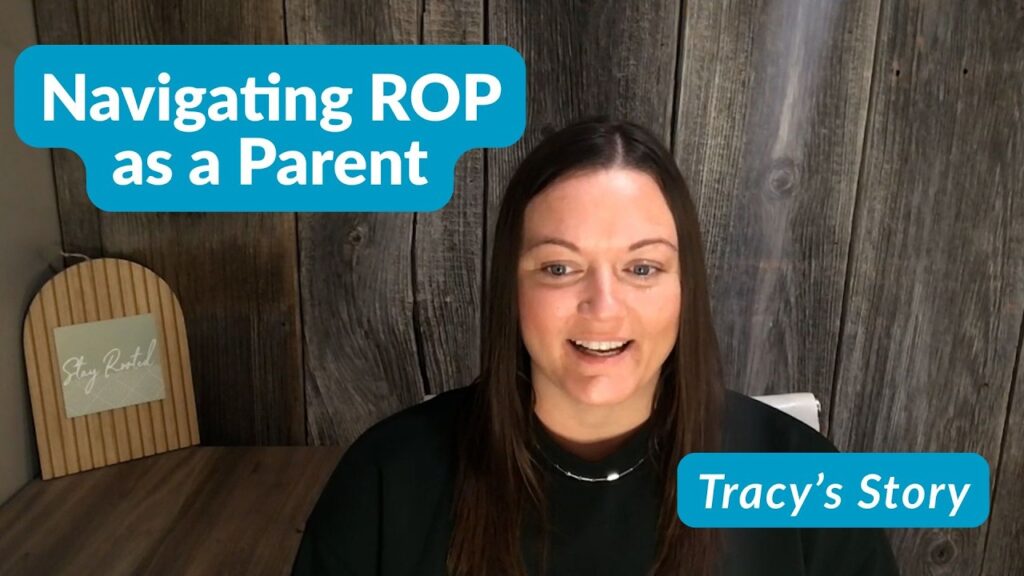
Tracy shares her journey as a mom to a child living with blindness from Retinopathy of Prematurity (ROP).
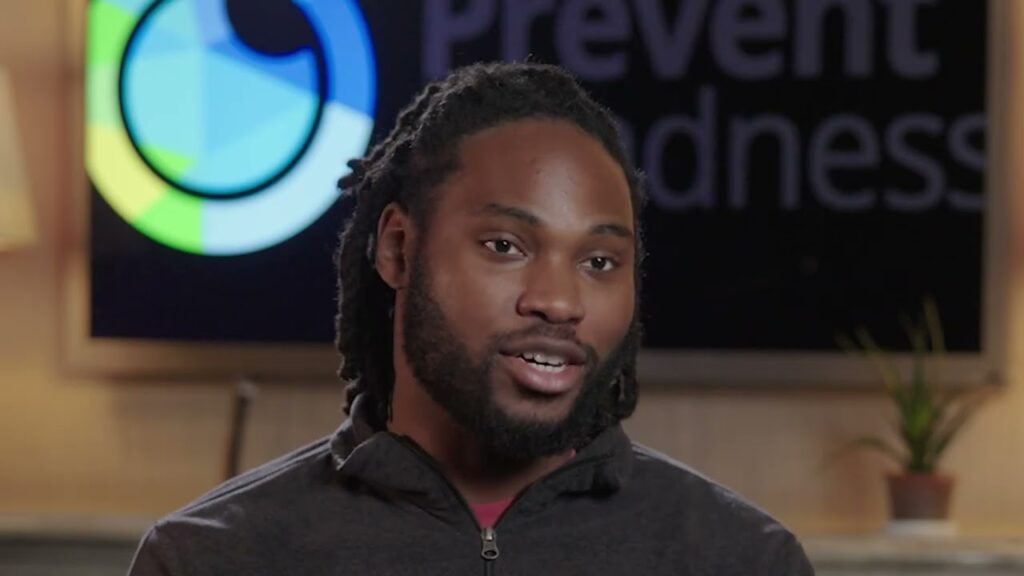
Optometrist Emmanuel Gbolabo shares the importance of paying attention to children's eyes. Learn more.
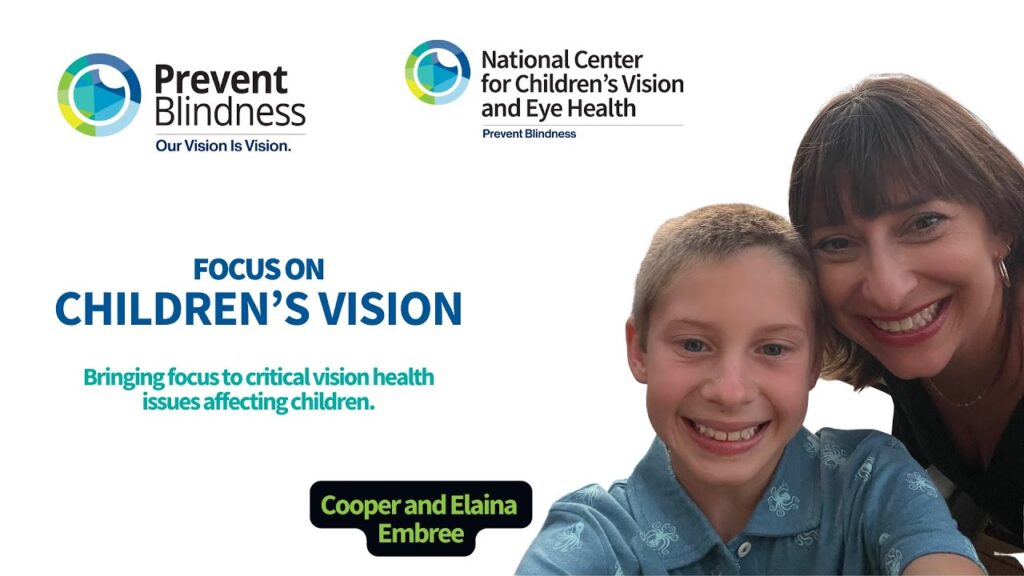
Elaina Embree share her son, Cooper's, vision journey, including wearing an eye patch as a child to treat amblyopia (lazy eye).
In this webinar, participants will gain a deeper understanding of the advocacy process, the value and impact that individual and community voices have on the advocacy process, and how to effectively advocate for public policies that govern healthcare, eyecare, and school systems to ensure they are responsive to children’s vision health needs.
Learn more about the National Center for Children's Vision and Eye Health.
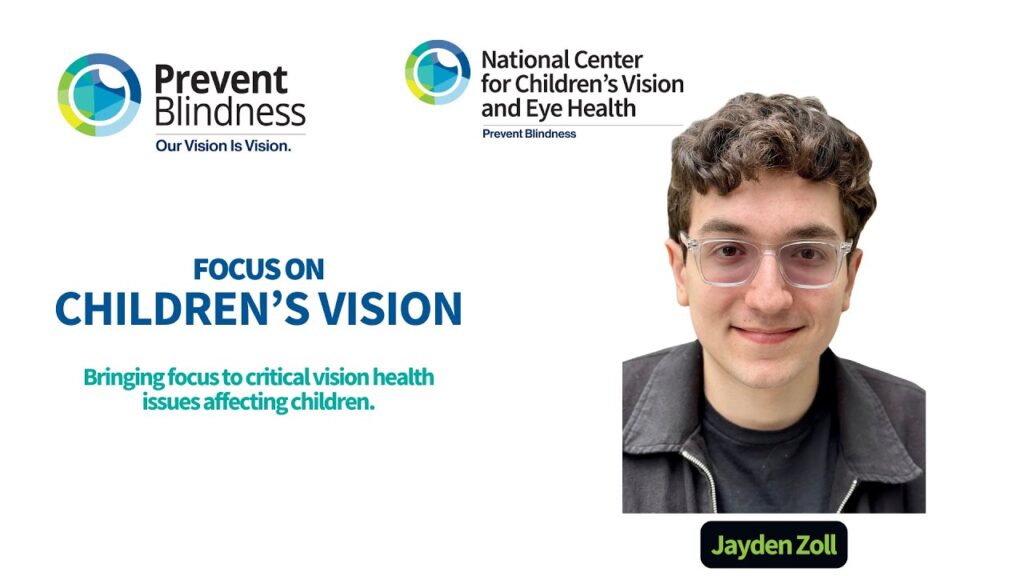
College student Jayden Zoll reflects on his eye health journey, including wearing an eye patch as a child to treat amblyopia.
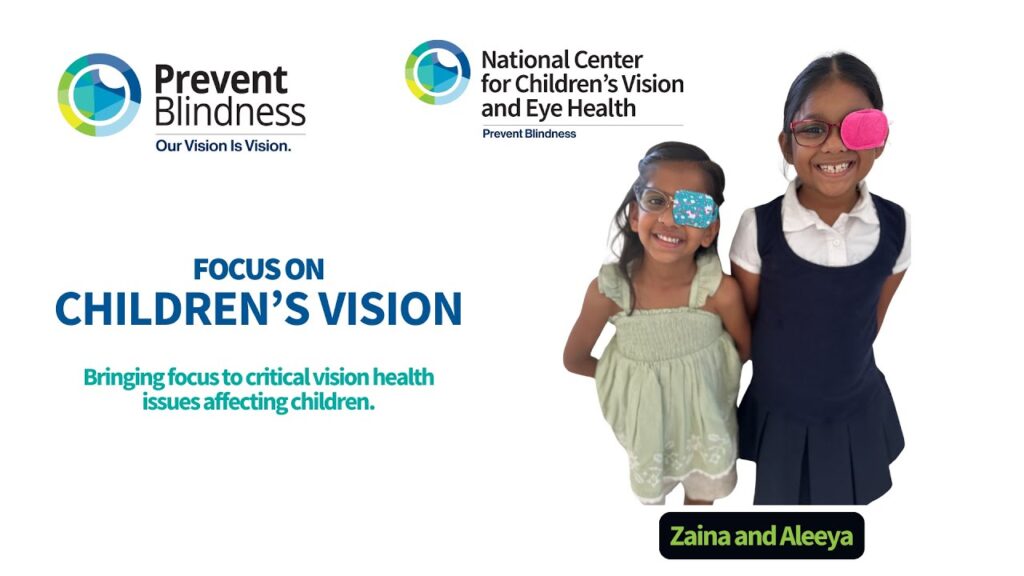
Cousins Zaina and Aleeya share why they wear eye patches, how they put their patches on, and advice for other kids who are patching.
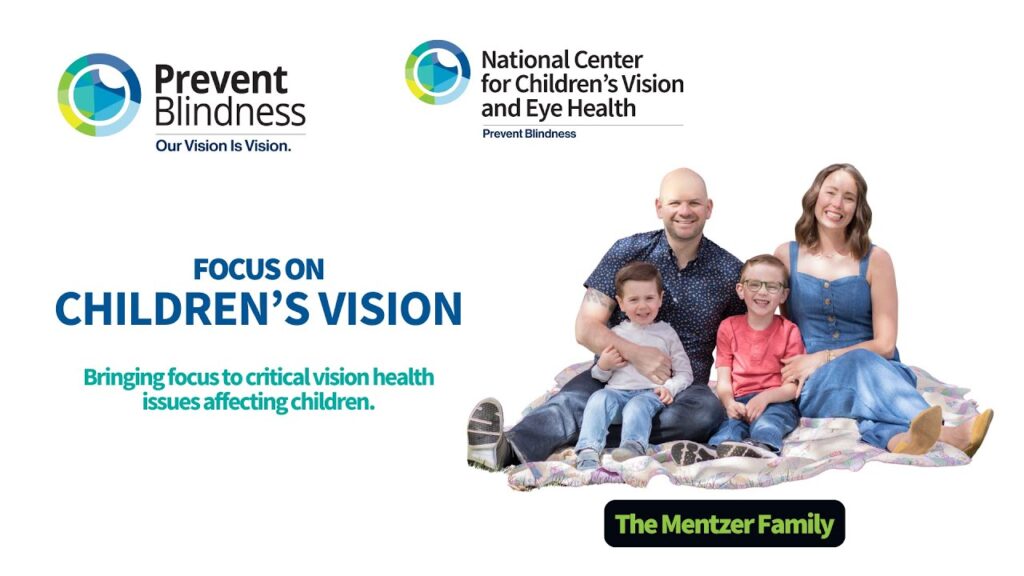
Kyle and Lauren Mentzer share how a free screening provided by Prevent Blindness kicked off their son, Andrew's, eye care journey. Andrew wears glasses and an eye patch as part of his treatment.
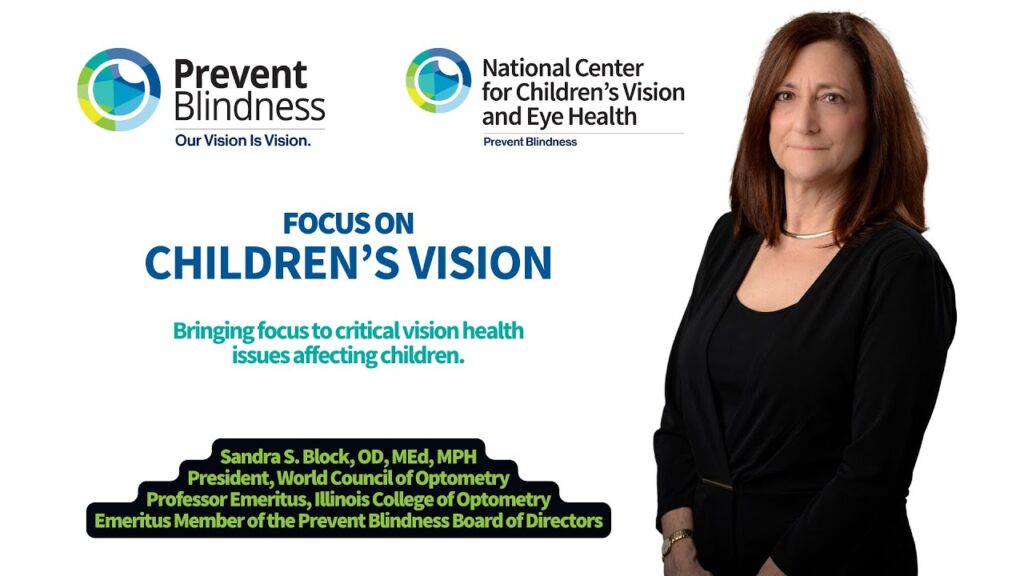
Dr. Sandra Block describes eye conditions in children that can be treated by wearing an eye patch, or patching.
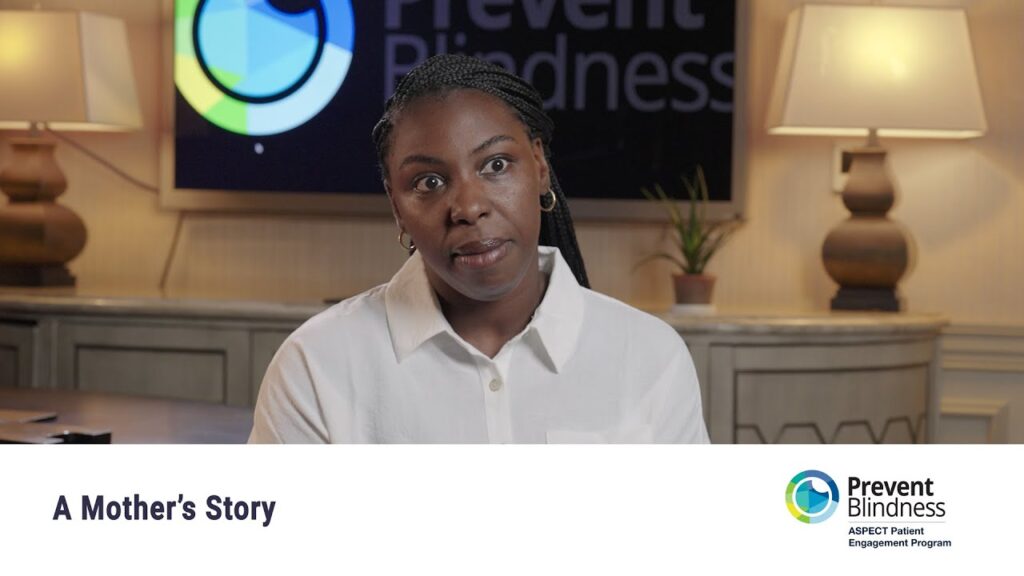
Prevent Blindness ASPECT program member Bridget Benard discusses her two children's vision problems, and the importance of early detection and treatment.
Find out more about vision screenings and eye examinations.
Find out more about the ASPECT program.
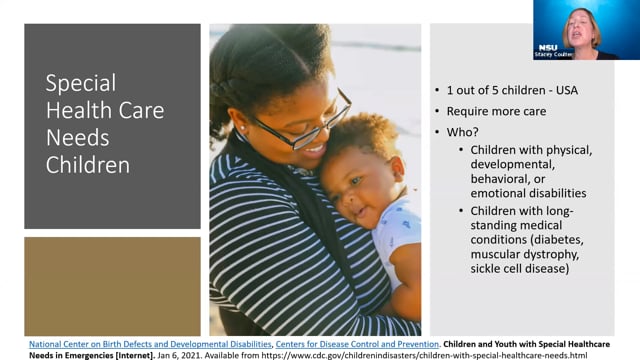
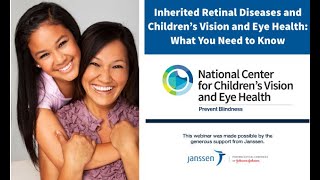
Did you know that children with autism spectrum disorder, neurodevelopmental conditions (such as ADHD, Down syndrome, and cognitive impairment), and systemic conditions (such as diabetes) are at higher risk of having a vision disorder? This webinar is the first in a series brought to you by the National Center for Children’s Vision and Eye Health at Prevent Blindness. We will Explore the important role of those working in early childhood education and care, medical care, and school nursing in ensuring the early identification and treatment of vision disorders and supporting the vision and overall health of children with special learning or health needs.
This video compiles footage from medical experts, early intervention specialists, parents, and other professionals sharing their experiences with ROP, with a focus on ROP care after children leave the NICU. This video highlights ROP care and treatment, early intervention programs, the importance of follow-up eye care, and the parent experience of caring for a child with ROP.
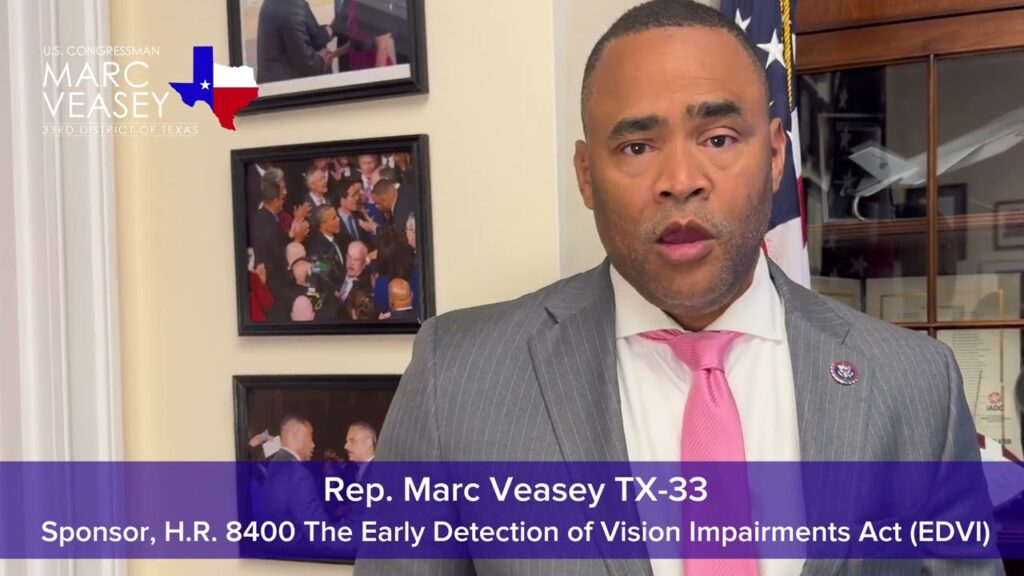
Rep. Marc Veasey, TX-33, is co-chair of the Congressional Vision Caucus and a co-sponsor of the Early Detection of Vision Impairments for Children (EDVI) Act.
Find out more about World Sight Day
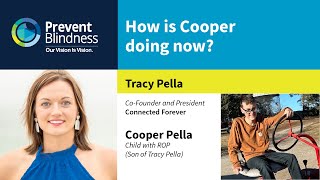
Tracy Pella highlights the successes of her 11-year-old son, Cooper with ROP and cortical visual impairment (CVI). She emphasizes the impact of a supportive team, and the use of specialized tools like magnifiers and enlarged print.
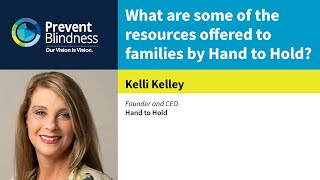
Kelli Kelley highlights Hand to Hold’s comprehensive support services for NICU families, offering one-on-one peer mentoring, virtual support groups, educational materials, and resources accessible through their website, podcast, and app.
Tiffany Gladdis, PsyD addresses the emotional challenges NICU parents face, particularly grief and guilt. She emphasized the need for supporting families in releasing guilt and grieving the gap between their expectations and the reality of having a baby in the NICU.
Tiffany Gladdis, PsyD emphasizes the need for NICU teams to have a dedicated support person who can validate parents’ emotional challenges, empower them to advocate for their child, and encourage clinicians to approach parental care with empathy and a trauma-informed perspective.
Nicole Pratt, MAT, BS and her son, Jordan, emphasize the importance of advocating for your child’s care through asking questions, sharing your personal story, and continuing to manage the impact of vision impairment into adulthood with glasses and other adjustments.
Kelli Kelley highlights the importance of early intervention support for NICU graduate parents, emphasizing the role of peer mentors, family support specialists, and mental health resources in helping parents adjust, bond with their baby, and advocate for their child post-discharge.
Tracy Pella reflects on the overwhelming moment her micro preemie was diagnoses with ROP, highlighting the uncertainty, emotional turmoil, and need for clear guidance while navigating the complexities of the condition and its treatment.
Olachi, Mezu-Ndubuisi, MD, OD explains the importance of parents being active members of their baby’s NICU care team and advocating for their child while building trust with healthcare providers. She stresses the significance of self-care and hope amidst the emotional challenges of the NICU experience.
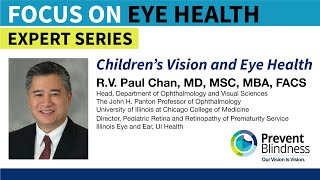
Dr. Paul Chan explains uncertainties surrounding long-term outcomes of anti-VEGF therapy, and recent studies to support its effectiveness in helping prevent blindness in some ROP patients.
Nicole Pratt speaks to the challenges faced as a parent navigating the uncertainty of her child’s potential vision impairment. She emphasizes the importance of early vision intervention and actively engaging with a vision teacher to seek support and ask questions.
Claudia Perez, BSN, RN, COA emphasizes that exam diagnosis and treatment options are interconnected and encourages parents to thoroughly review the provided information and continue asking questions until they feel fully informed and confident.
Dr. Paul Chan details the importance of screening for ROP and how parents can collaborate with the treatment team to ensure their child is getting the care they need.
This video compiles footage from medical experts, early intervention specialists, parents, and other professionals sharing their experiences with Retinopathy of Prematurity (ROP), with a focus on ROP care after children leave the NICU. This video highlights ROP care and treatment, early intervention programs, the importance of follow-up eye care, and the parent experience of caring for a child with ROP.

Dr. Paul Chan explains the key aspects of ROP by highlighting essential strategies and early detection measures, with a focus on how timely intervention can protect young eyes from irreversible damage. He emphasizes practical steps for healthcare professionals and parents to caring for children with ROP.