August 12, 2026, Total Solar Eclipse
Please note: a partial solar eclipse will also be visible in parts of Canada and the northern/northeastern U.S.
Path, Viewing Locations, and Eye Safety Tips
The total solar eclipse on August 12, 2026, is one of the most anticipated astronomy events of the decade. Skywatchers across parts of Europe and the North Atlantic region will have the opportunity to witness a rare and powerful natural phenomenon, while many others will experience a partial solar eclipse.
A total solar eclipse occurs when the Moon passes directly between the Sun and the Earth, completely blocking the Sun’s surface for viewers within a narrow path called the path of totality. During this brief period, the sky darkens and the Sun’s corona, or outer atmosphere, becomes visible.
Where Will the August 12, 2026 Solar Eclipse Be Visible?
The path of totality for the August 12, 2026 solar eclipse will begin in the Arctic region and move westward across Greenland, Iceland, the Atlantic Ocean, and northern Spain, including the Balearic Islands. This east-to-west movement is unusual and adds to the uniqueness of this event.
Some of the best places to see the total solar eclipse include Iceland and northern Spain. Cities such as A Coruña, Bilbao, Zaragoza, Valencia, and Palma will experience totality. In these locations, the Moon will completely cover the Sun for just over two minutes at peak.
Outside of the path of totality, a partial solar eclipse will be visible across much of Europe, parts of North Africa, and even portions of northern North America. Locations such as the United Kingdom, France, Italy, and parts of the United States will see a significant portion of the Sun covered, but not full totality.
Why Eye Safety Is Critical During a Solar Eclipse
Viewing a solar eclipse without proper protection can cause serious and permanent eye damage. Even when most of the Sun is covered, the remaining sunlight is still strong enough to harm your eyes.
Looking directly at the Sun during a partial or total eclipse without protection can lead to a condition known as solar retinopathy. This occurs when intense sunlight damages the retina, which can result in blurred vision, blind spots, or permanent vision loss.
Learn more about solar eclipse eye safety and how to protect your vision before viewing the event.
How to Safely Watch the 2026 Solar Eclipse
To safely view the August 12, 2026 solar eclipse, follow these important eye safety tips:
– Use certified solar eclipse glasses that meet ISO 12312-2 safety standards
– Do not use regular sunglasses, as they do not provide adequate protection
– Use proper solar filters for telescopes, binoculars, or cameras
– Never look at the Sun through unfiltered optical devices
– Only remove eclipse glasses during the brief period of totality if you are inside the path of totality
For detailed guidance, visit how to use eclipse glasses.
If you plan to capture the event, review how to photograph or record a solar eclipse safely to avoid damaging your eyes or equipment.
For viewers outside the path of totality, eye protection must be worn at all times while looking at the Sun.
A Rare Opportunity Worth Preparing For
Total solar eclipses are rare events that attract travelers, scientists, and photographers from around the world. The August 12, 2026 solar eclipse is expected to draw large crowds to key viewing areas such as Iceland and northern Spain.
While many people in North America will only see a partial eclipse, it is still an exciting opportunity to observe the Moon covering a large portion of the Sun.
Planning ahead is essential. Whether you are traveling to see totality or viewing from your local area, make sure you have proper eye protection and understand safe viewing practices.
Don’t Miss the August 12, 2026 Solar Eclipse
Mark your calendar for August 12, 2026. With the right preparation and proper eye safety, you can experience one of the most remarkable natural events in the world.
Protect your vision and enjoy the solar eclipse safely.
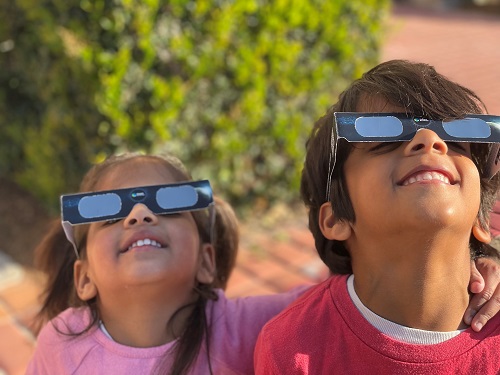 Never look directly at the sun during a solar eclipse (except during the very brief time the sun is in total eclipse; and even then, with caution). Looking directly at the sun can cause permanent damage to your eyes. After viewing a solar eclipse, seek treatment from an eye care professional if you or your child have any changes in vision that continue to get worse.