
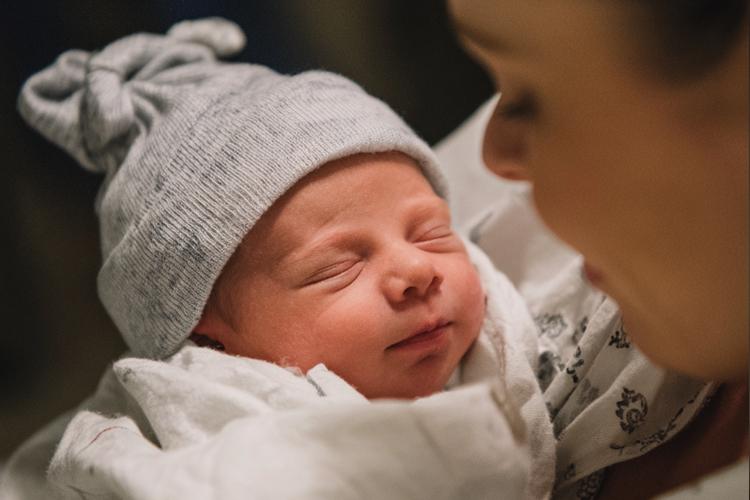
Prevent Blindness is Conducting a New ROP Focus Group and Data Study, as well as Offering Helpful Resources Including Web Pages, Videos with Medical Experts, and ROP Patient and Parent Testimonials to Support Families of Children with ROP
Prevent Blindness has declared its third annual Retinopathy of Prematurity (ROP) Awareness Week as Feb. 23-March 1, 2026. The initiative is part of the comprehensive national “Prevent Blindness ROP Education and Support” initiative that provides information on the condition and the unique eye care needs of children with ROP, and support for families of children with ROP.
ROP is a condition caused by abnormal development of retinal blood vessels, occurring as a complication of preterm birth and/or low birth weight. ROP may lead to partial or complete vision loss if the condition is severe and the retina detaches. Effective screening, timely treatment, and ongoing eye care are essential for preventing ROP- associated vision loss. ROP is a leading cause of lifelong visual impairment.
ROP resources from Prevent Blindness include fact sheets, web pages, social media graphics in English and Spanish, and medical expert and patient testimonial videos. The ROP Education and Support Initiative and ROP Awareness Week are supported by funding from Regeneron Pharmaceuticals, Inc.
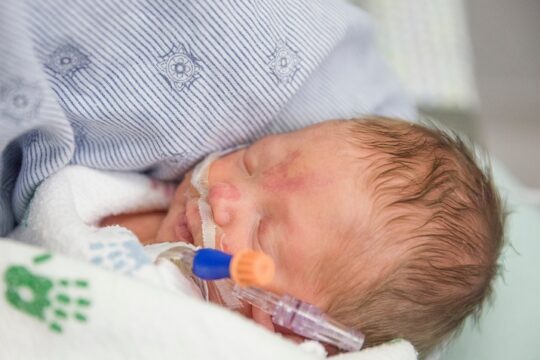
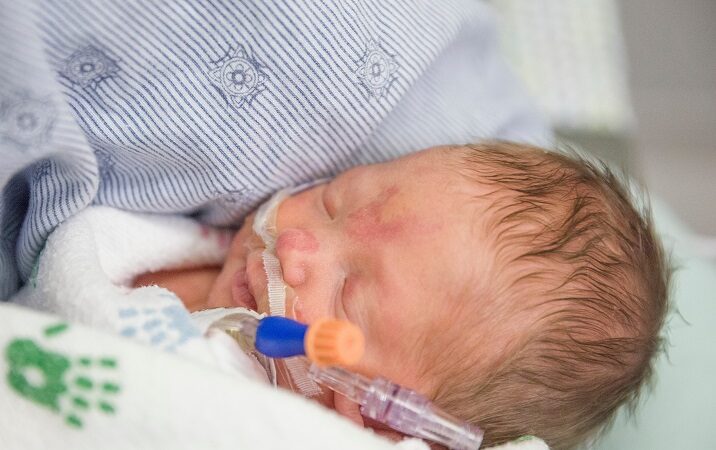
In addition to family and patient assistance, the ROP Education and Support Initiative provides expert-approved materials for healthcare professionals about creating a holistic support system for families and children with ROP after they leave the neonatal intensive care unit (NICU). Materials are specifically tailored for neonatologists, nurses, professionals who serve babies in the NICU, and professionals in the healthcare, early care and education, and school systems. Prevent Blindness collaborates with leading parent and advocacy organizations, including Hand to Hold, National Coalition for Infant Health, and the SPAN Parent Advocacy Network, in this effort.
During ROP Awareness Week, Prevent Blindness will debut a new Focus on Eye Health Series episode featuring NICU parent Tracy P., who will share her experience navigating the ROP diagnosis and care for her child with ROP. Also, as part of the February episode of the Prevent Blindness Focus on Eye Health Podcast, Daria B. discusses her experience as a person living with ROP and how access to education, resources, and support, like the Prevent Blindness ASPECT Patient Engagement Program, have helped her.
Additionally, the National Center for Children’s Vision and Eye Health at Prevent Blindness (NCCVEH) is seeking parents or guardians with a child aged 10 years or younger who has spent time in the NICU and has been diagnosed with ROP. The purpose is to conduct these focus groups to gain a better understanding of:
- Experiences families have had when their child has been in the neonatal intensive care unit (NICU), diagnosed with retinopathy of prematurity (ROP)
- Families’ journeys raising a child with ROP in relation to medical care, social/emotional support, and educational services
- Barriers families experience in accessing and attending eye care appointments for their child’s ROP
For more information or for those interested in participating, please contact [email protected].
Finally, Medicaid claims and encounter data offer a rich source of information for quantifying the prevalence and incidence of diagnosed ROP at both national and regional levels. Prevent Blindness is partnering with NORC at the University of Chicago to analyze Medicaid claims and encounter data from 2021 through 2023 to identify and quantify unique pediatric ROP cases. The data will guide a better understanding of:
- The incidence and prevalence of ROP among Medicaid-enrolled infants, providing a robust estimation of disease burden
- Examine geographic variation, highlighting areas or regions with especially high concentrations of ROP
- Assess demographics and clinical characteristics of ROP patients including gestational age, comorbidities, and other factors relevant to ROP risk and treatment
- Evaluate healthcare utilization patterns, such as screening frequencies, follow-up services, and treatment adoption, to identify potential gaps in care
The goal of this data analysis is to uncover best practices for parent education and support during the time in the NICU and upon release throughout the times eye examinations are needed. Generating updated prevalence estimates of ROP using these data will offer critical insights into the number of affected children in each state as well as shed light on variations in their attainment of care milestones.
“The impact that Retinopathy of Prematurity has on the developing eyesight of newborns, as well as to their overall health, is significant,” said Jeff Todd, president and CEO of Prevent Blindness. “By providing free, helpful resources to families of newborns and all children with ROP, as well as to healthcare professionals, we are aiming to minimize the effects of this condition and prevent significant vision impairment in the future.”